
Frequently asked questions
Landowner Questions
Who owns the land where Mammoth Solar is built?
Local landowners do. The land isn’t sold. It’s leased for a set term. Families keep full ownership and can decide what happens when the lease ends.
What happens when the project ends?
At the end of the lease, Mammoth Solar removes all equipment and restores the land to its original, or better condition. A fully funded decommissioning plan ensures the site is returned to agricultural use, without cost to landowners or the county.
Can I still use my land for farming or livestock?
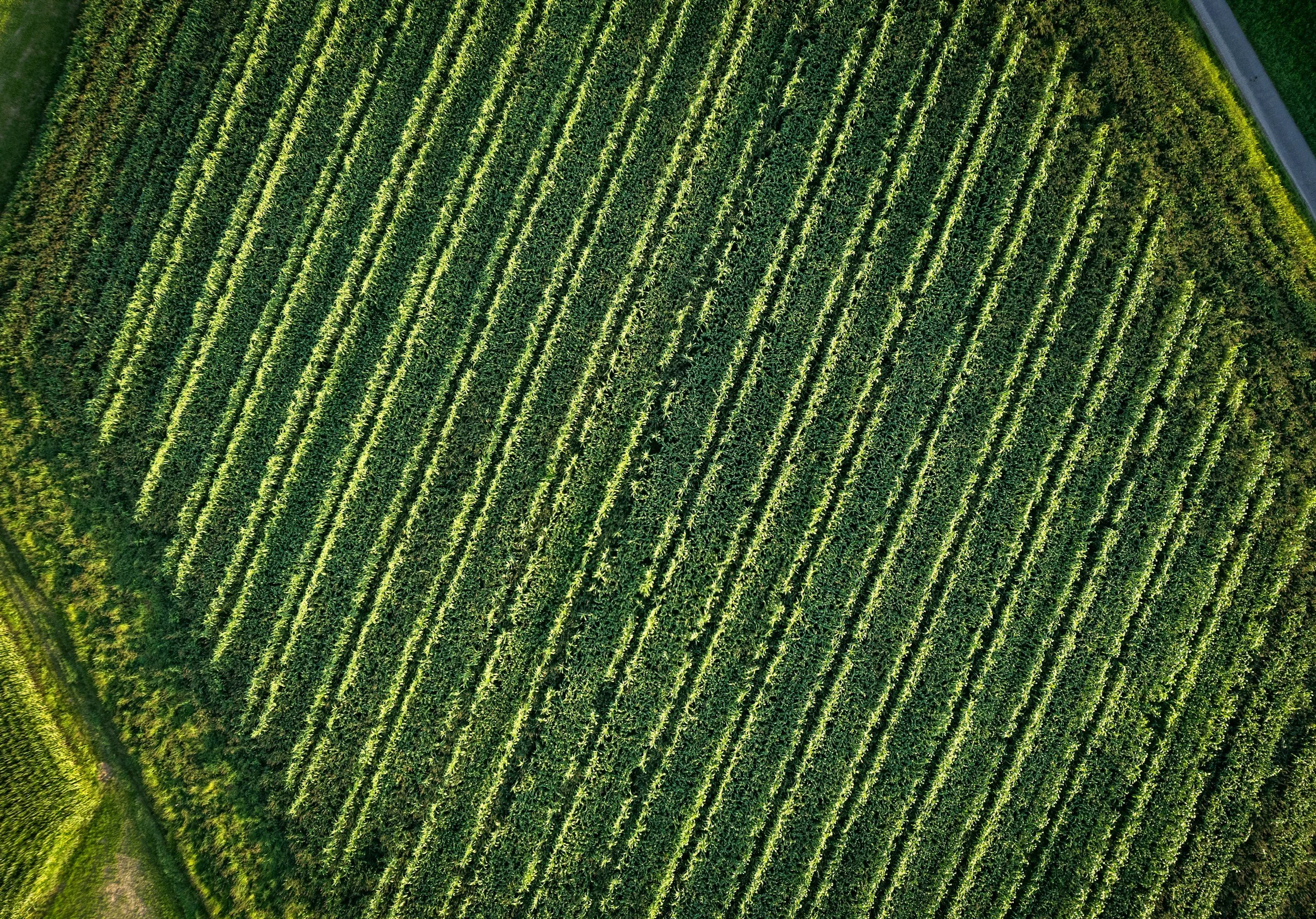
Yes. Many leased areas will include native grasses, pollinator-friendly plants, and space for grazing livestock like sheep and even growing certain crops. This approach, called agrivoltaics, allows land to remain productive and environmentally healthy.
How does solar income work for landowners?
Landowners receive stable, long-term lease payments that can help balance unpredictable crop markets, cover operating costs, or support generational succession planning.
Will this affect my property taxes?
No. Mammoth Solar is responsible for the taxes on its improvements. In fact, the project adds significant new tax revenue to the county, strengthening schools, fire departments, and local infrastructure.
Community & Economic Impact
How does Mammoth Solar benefit our local economy?
The project brings over $136 million in economic development payments to the counties, creates thousands of local jobs during construction and expands business opportunities for local suppliers. Over time, new tax revenue will fund critical public services and community projects.
Will this raise taxes for residents?
No. Solar projects increase the local tax base without raising rates. The new revenue supports public safety, education, economic development, and infrastructure.
How is Mammoth Solar giving back to the community?
Mammoth Solar supports the community through philanthropy and partnerships, including grants, donations, and sponsorships for youth programs, agricultural education, and community improvement projects. In addition, the economic development funds will provide a stable, predictable source of support for county initiatives and long-term growth.
How can I stay informed?
This website will be providing a constant flow of updates and information that will be available to the public.
Environment & Safety
Are solar panels safe?
Yes. Modern panels are made with durable, non-toxic materials that don’t leak or produce harmful runoff. They generate energy silently and without emissions.
What about glare or reflection?
Solar panels are designed to absorb sunlight, not reflect it. Their anti-reflective coating means glare is minimal, far less than a car windshield or a pond.
What happens to wildlife and soil?
Mammoth Solar includes vegetation and pollinator plants that protect soil, prevent erosion, and support native habitats. The land under panels not only remains alive and healthy, but is allowed to rest and recover from years of agricultural use.
General & Project Information
How large is the Mammoth Solar Project?
When fully built, the project will generate 2,245 megawatts (MW) of electricity, enough to power roughly 350,000 homes.
Where is Mammoth Solar located?
The project spans parts of Pulaski and Starke Counties in Northwest Indiana, on land voluntarily leased by local farmers.
How long will construction take?
Construction is being completed in phases to minimize disruption. Each phase includes updates on roadwork, schedules, and expected completion dates. Typical construction type for this size of project is 2 years.
Who do I contact if I have a concern?
You can reach our community relations team directly through the Contact page or by email at projectteam@mammothsolarproject.com. We welcome your questions and feedback.